



















“Sometimes your whole life boils down to one insane move.” – Jake Sully
The world that the “Avatar” franchise created has grown so much since 2009. “Avatar: Fire and Ash” is the third film in James Cameron’s “Avatar” franchise and it’s the continuation of the second movie, “Avatar: The Way of Water.” This film expands on the fictional, magical world of Pandora with new regions, tribes, and moral conflicts. Jake Sully (The former marine turned Na’avi leader), Neytiri (Jake’s partner), Lo’ak, Kiri, Tuk (the Sully Children), Spider (the in-between of humans and Na’vi), and many more characters return.
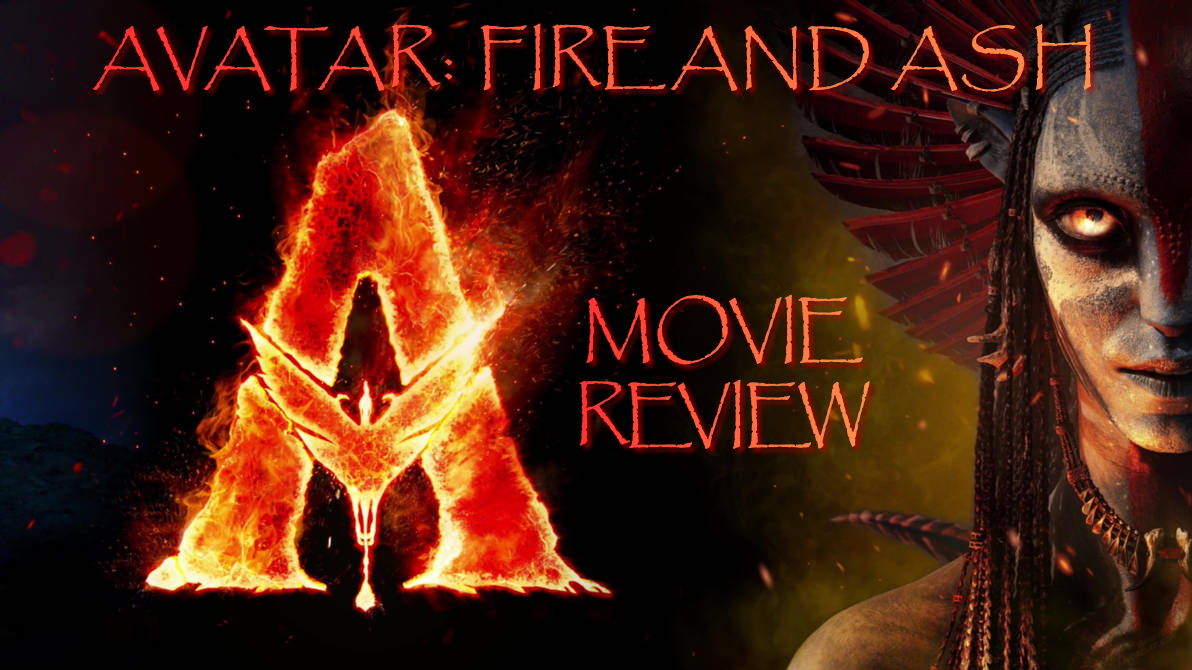
This movie introduces a new Na’vi that’s associated with fire and volcanos. Unlike the previous clans that we were introduced to, this tribe is much more aggressive and complex. All of the previous clans were peaceful and symbiotic with nature & their harmony with Eywa; however, this new tribe has a vastly different character. I mean, they’re savage, quite a puzzle in terms of morality, and they are mostly concerned with survival rather than living in harmony. Their culture is the result of a tough environment which accounts for their first nature to be aggressive and their animosity towards Eywa. In this movie, Pandora is depicted as more than a world of good vs. evil. It makes viewers challenge this perspective. This makes Pandora not only a world of good vs. evil, which challenges new perspectives from the viewers.
To summarize the story, Jake and the rest of the Sully family face more internal and external threats. These conflicts arise not only from humans but also from divisions within the Na’vi world itself. As violence spreads across Pandora, Jake struggles with the weight of leadership and the consequences of his decisions. At the same time, Neytiri continues to grieve the loss of her eldest son, Neteyam, who died in “Avatar: The Way of Water”. Her grief fuels anger and resentment, which affects her actions throughout the film. Overall, this movie explored concepts of rage, grief, loss, and survival, and how those aspects can corrupt a culture or a sacred group of people.
The tone of this story is much more intense and darker than the previous films. This movie solely focuses on survival and rage, which is something that wasn’t shown as much in the past movies. There is significant character development, especially in how each character responds to trauma and escalating conflict. Their choices feel heavier and more permanent, emphasizing the emotional cost of war. There’s a lot of fiery imagery (no pun intended) with guns, fire, and ash-filled skies.
This wasn’t something that I was expecting from the new movie. The past two depicted a very magical and full of nature world; however, this movie contained an abundance of violent scenes. There is so much to unpack with this new Na’vi tribe and I feel that there was a bit too much. I didn’t enjoy the amount of violence in this movie. I understand that when someone thinks of fire, it leads them to the feeling of rage, revenge, and everything powerful. However, I feel like this didn’t fit the whole theme of Pandora being a “peaceful” place. What I did enjoy, however, was the character development in Neytiri and Lo’ak. These two characters played a very important role in this movie: Lo’ak developed many leadership skills, while Neytiri overcame her grief at the end. Overall, I think it was a very complex movie, which set up the future of conflicts between humans and the Na’vi. This movie redefines the “good” and “evil” aspects of the “Avatar” universe, which was very different to say the least. I’m looking forward to seeing how everything plays out at the end; I wonder if there will be new tribes or maybe a new rising leader? For now, let’s keep ourselves in the world of Pandora and see what else the fire tribe heats up in the end.


